Conservatory Roof Cleaning in East London: A Simple Guide
You spent good money on your conservatory, and then one grey morning you look up through the glass and see a green haze, a scatter of leaves, and streaks of grime staring back. Your conservatory roof takes a beating from above, and it shows the dirt faster than any other part of the house.
The good news is that a mucky conservatory roof is one of the easier things to put right. You just need the correct approach, because that glass and framework will not thank you for a rough clean.
The quick answer: Conservatory roofs get dirty fast because they sit flat to the sky and catch everything that falls, from leaves and dust to algae and moss washed down off the main roof. Soft washing clears it gently, using low pressure and a biocide that kills the green growth at the root, so the glass stays clear and nothing gets scratched or cracked.
1. Why your conservatory roof gets dirty so quickly
A conservatory roof is close to flat, or a shallow pitch at best. That means it does not shed dirt the way a steep tiled roof does. Rain lands, sits, and dries, leaving behind whatever it was carrying. Over a season that builds into a dull film you can see straight through from inside.
It also sits lower than the main roof of the house, so anything the big roof sheds tends to land on the conservatory. Moss fragments, grit off the tiles, and blown leaves all collect in the gullies between the glass panes.
Because you look up through it, you notice every mark. A tiled roof can be filthy and you would barely know from the ground. A conservatory roof puts the dirt right over your head, which is why people call about these more than almost anything else.
2. Glass, polycarbonate, and knowing what you have
Most conservatory roofs are either glass or polycarbonate, and it helps to know which you have. Glass is heavier and tougher against scratching but shows watermarks and algae clearly. Polycarbonate is those lighter, twin-wall or multi-wall panels, and it scratches more easily, so it needs a careful hand.
Either way, the framework matters as much as the panels. The bars, seals, and trims collect a black grimy build-up along their edges, and green growth loves to creep into those joints. A proper clean sorts the frame and the glass, not just the flat surfaces.
This is exactly why the method counts. You are not just wiping a window. You are cleaning a structure with panels, seals, and gutters that all need to come away clean without being forced or damaged.
3. The East London reasons your conservatory grows green
Green growth needs damp and shade, and East London hands it both. The low, flat ground along the River Lea and the Lea Navigation stays damp, and the old marshland at Hackney and Walthamstow keeps the air moist. A conservatory sitting in a back garden near the water gets very little help drying out.
Tight terraces make it worse. Houses in Hackney, Leyton, and Walthamstow shade each other and their gardens, so a north-facing conservatory can sit in the shade for much of the day. Add the historically grimy city air and you get that classic mix of green algae and dark sooty film.
Many homes round here also have a conservatory or garden room tucked behind a Victorian terrace, right below the rear roof slope. Every time it rains, that main roof rinses its dirt straight down onto the glass below, so the conservatory never really gets a break.
4. Why soft washing is the safe way to clean it
We clean conservatory roofs by soft washing, which uses low-pressure water and a biocide rather than a high-pressure blast. On glass and polycarbonate, that gentle approach is not optional. High pressure can craze polycarbonate, drive water past the seals, and leave you with leaks where you had none before.
The biocide does the clever part. It kills the algae and moss at the root, so instead of just shifting the green film for a few weeks, the growth actually dies off. After we leave, the weather keeps rinsing the treated surface clean over the following weeks.
Soft washing also protects the seals and trims that keep your conservatory watertight. Force those with high pressure and you can lift them. Treat them gently and they stay put, doing their job for years more.
5. Do not forget the gutters around the conservatory
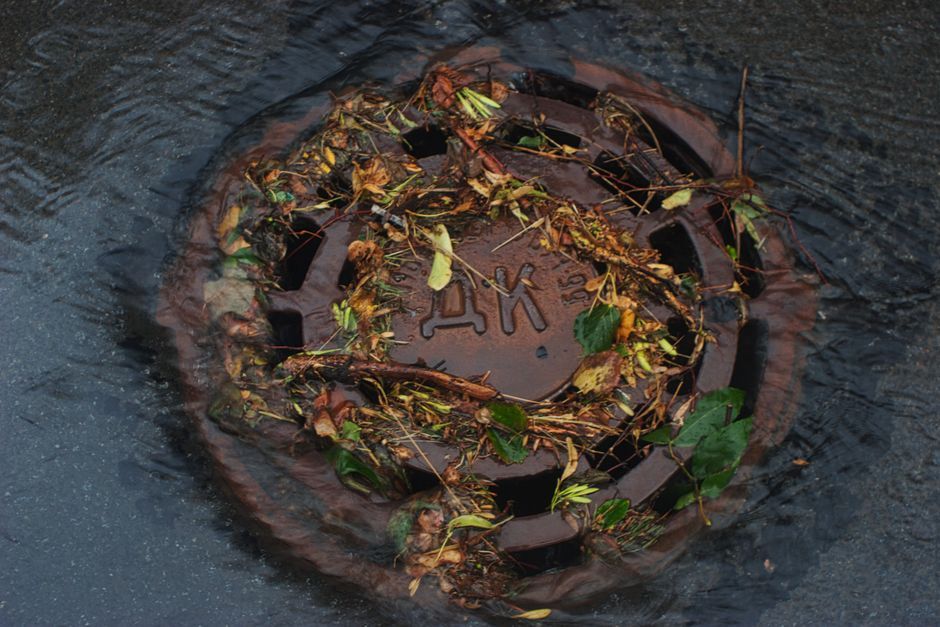
A conservatory usually has its own gutters, plus the join where it meets the house. That junction often hides a box gutter or a lead flashing, and it is a classic spot for leaves and moss to gather and block the flow.
When that channel clogs, water backs up and can find its way inside, staining the frame or dripping through a seal. Clearing it is part of looking after the conservatory as a whole, not an afterthought. While we are cleaning the roof, sorting these gutters at the same time makes sense.
On an East London terrace, the conservatory gutter often feeds into the same tight drainage as the main house, and those runs get busy in autumn. Keeping the whole path clear stops a small blockage turning into a damp problem indoors.
6. How often to clean it, and keeping it clear
Most conservatory roofs benefit from a clean once a year, though a shaded one under a tree or below a mossy main roof might want it more often. If you are seeing heavy green before the year is out, that is a sign the setting is working against you.
Between cleans, keeping the surrounding gutters clear does a lot. If the main roof and its gutters are staying clean, far less debris lands on the conservatory in the first place. It is all connected, which is why we often look at the whole roof line, not just the glass.
Here is what to keep an eye on with your conservatory roof:
- Green film on the glass: a dull green haze means algae is taking hold and is due a soft wash before it thickens.
- Debris in the gullies: leaves and moss sitting in the channels between panes trap water and speed up staining.
- Dark streaks on the frame: grimy build-up along the bars and trims is city air and algae settling into the joints.
- Blocked box gutter: the join where the conservatory meets the house is a common blockage point that can let water in.
- Slow drips inside: marks or damp on the internal frame often trace back to a clogged gutter or a forced seal, so get it looked at.
Frequently Asked Questions
Will cleaning scratch my polycarbonate roof?
Not with soft washing. We use low pressure and a biocide rather than anything abrasive or high-powered, so the panels are cleaned without scratching or crazing.
Why does the green keep coming back after I wipe it?
Because wiping only removes the surface layer. The algae roots stay behind and regrow. A biocide treatment kills it at the root, so it takes far longer to return.
Can a dirty conservatory roof cause leaks?
A blocked gutter or box gutter around the conservatory can, since backed-up water finds the seals. Keeping the roof and its gutters clear is the best way to avoid that.
How often should I have it done?
Once a year suits most conservatories. A shaded one below a tree or a mossy main roof, common on East London terraces, may want it a bit more often.
Do you clean the gutters around it too?
Yes, and it makes sense to. The conservatory gutters and the box gutter where it meets the house are where blockages start, so we clear them as part of the job.
Is your conservatory roof looking green and grimy?
Ben's Roof Cleaning soft washes conservatory roofs, clears moss, and sorts gutters across East London, with over 15 years of experience. Get in touch or call 020 8049 9609
for a free, no-obligation quote.
A clear conservatory roof lets the light back in
Your conservatory is meant to be the bright, sunny part of the house, not a green-tinted box you would rather not look up at. A careful soft wash clears the glass, sorts the frame, and keeps the gutters flowing, so you get the light back and the roof stays sound for years to come.