Soft Washing for City Roofs: Removing Moss and Grime in East London
City roofs have a harder life than country ones. On top of the moss and algae every roof deals with, an East London roof also carries decades of traffic grime, soot, and general city dirt. Getting all that off without wrecking the roof is where the method matters.
Soft washing is the way to clean a city roof properly, and it is worth understanding why. Here is what soft washing does, why it beats pressure washing on the old roofs common here, and what to expect from it.
The quick answer: Soft washing uses low-pressure spray and a biocide treatment to kill moss, algae, and lichen at the root and lift the city grime, without cracking tiles or forcing water in. On East London's old slate and tile, it is the safe method. Pressure washing strips and damages these roofs.
1. City roofs collect more than moss
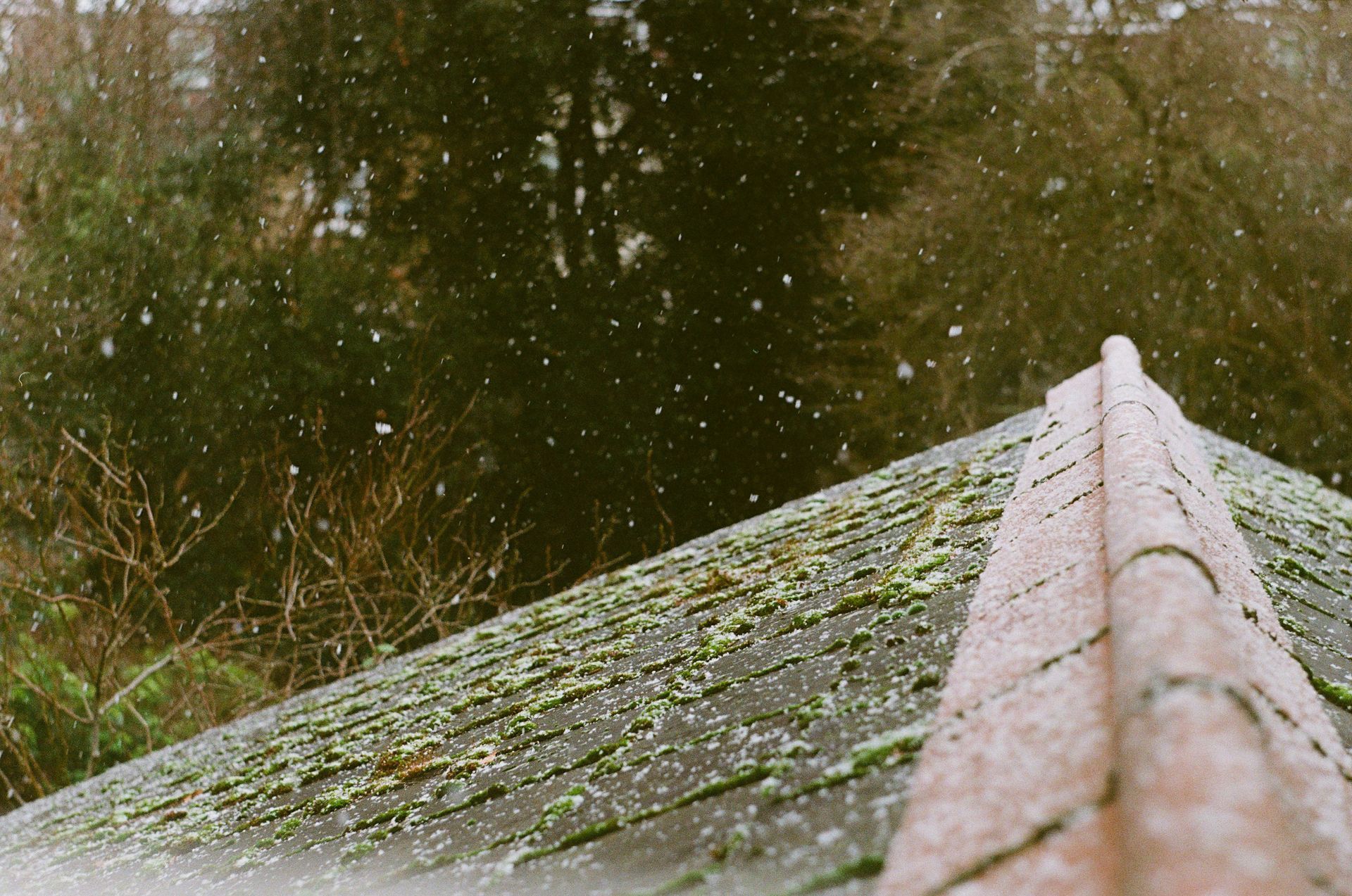
Out in the country a roof mostly battles moss and lichen. In East London it deals with all of that plus the grime of a busy city: exhaust soot, brake dust, general airborne dirt that settles and darkens the tiles year after year.
That mix bakes onto the surface and mingles with the moss and algae into a grubby, green-black layer. It dulls the roof, and on lighter tiles it stands out badly. Shifting it takes more than a rinse, but it does not take brute force.
2. What soft washing is
Soft washing works at low pressure, closer to a garden hose than a jet. The real work is done by a biocide treatment that soaks into the moss, algae, and lichen and kills them at the root. Over the following weeks the dead growth dries and the weather rinses it away, taking the loosened grime with it.
Nothing gets blasted, nothing gets forced under the tiles. The treatment does the killing and time does the clearing. That gentleness is exactly why it suits the aged roofs across East London, and it is why the results last.
3. Why pressure washing harms city roofs
Pressure washing takes the opposite route, blasting everything off with a high-pressure jet. The instant result looks dramatic, which is why cheap operators push it. The damage is the problem.
On old slate and clay, the jet cracks brittle tiles, strips their surface, and drives water up under the laps into the roof. On the flat roofs of warehouse conversions, it tears at the covering and seams. And the roughened surface it leaves behind grows moss back faster, so you are worse off than before. There is no version of this that suits a city roof.
4. Grime, traffic and East London air
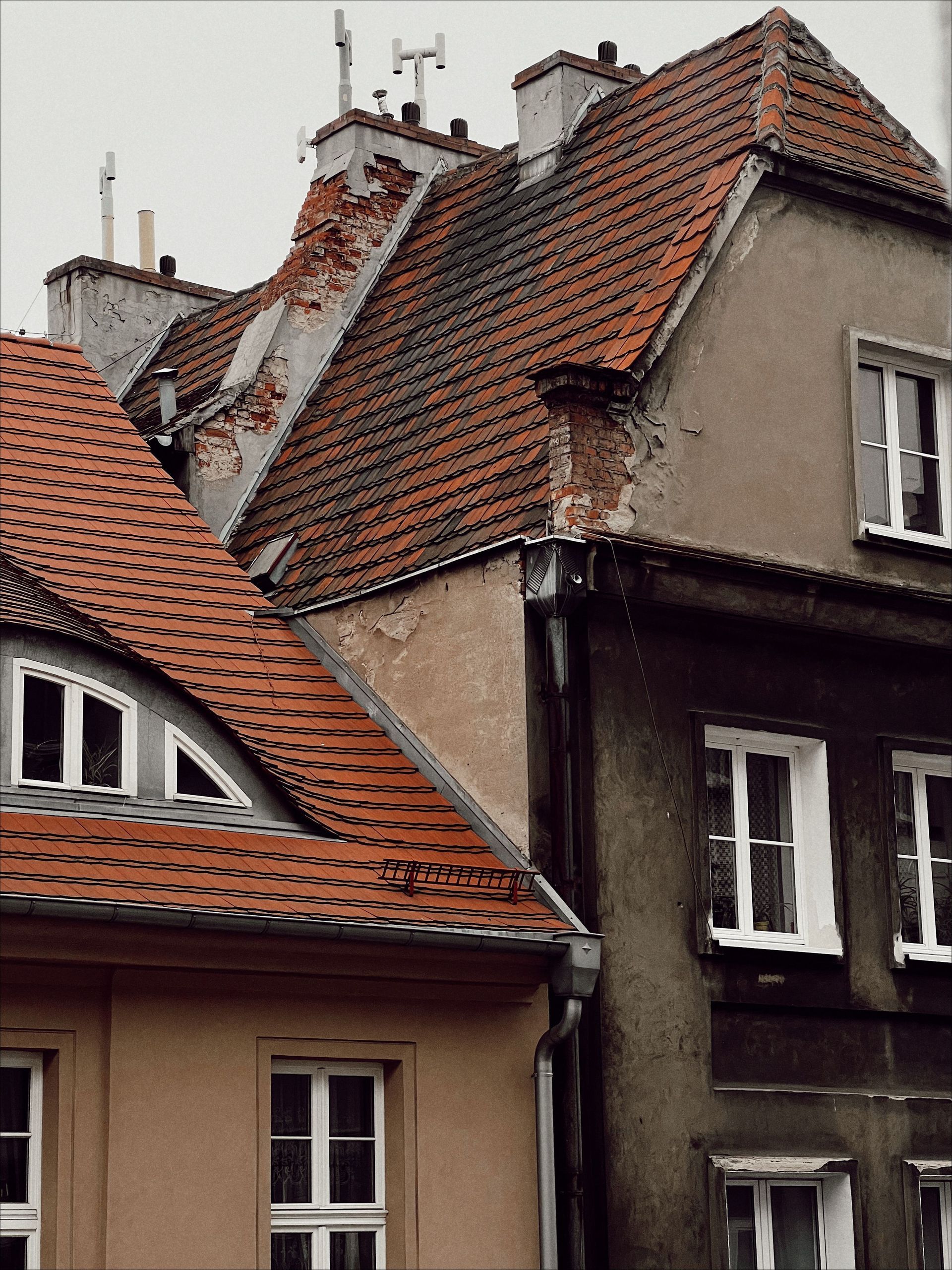
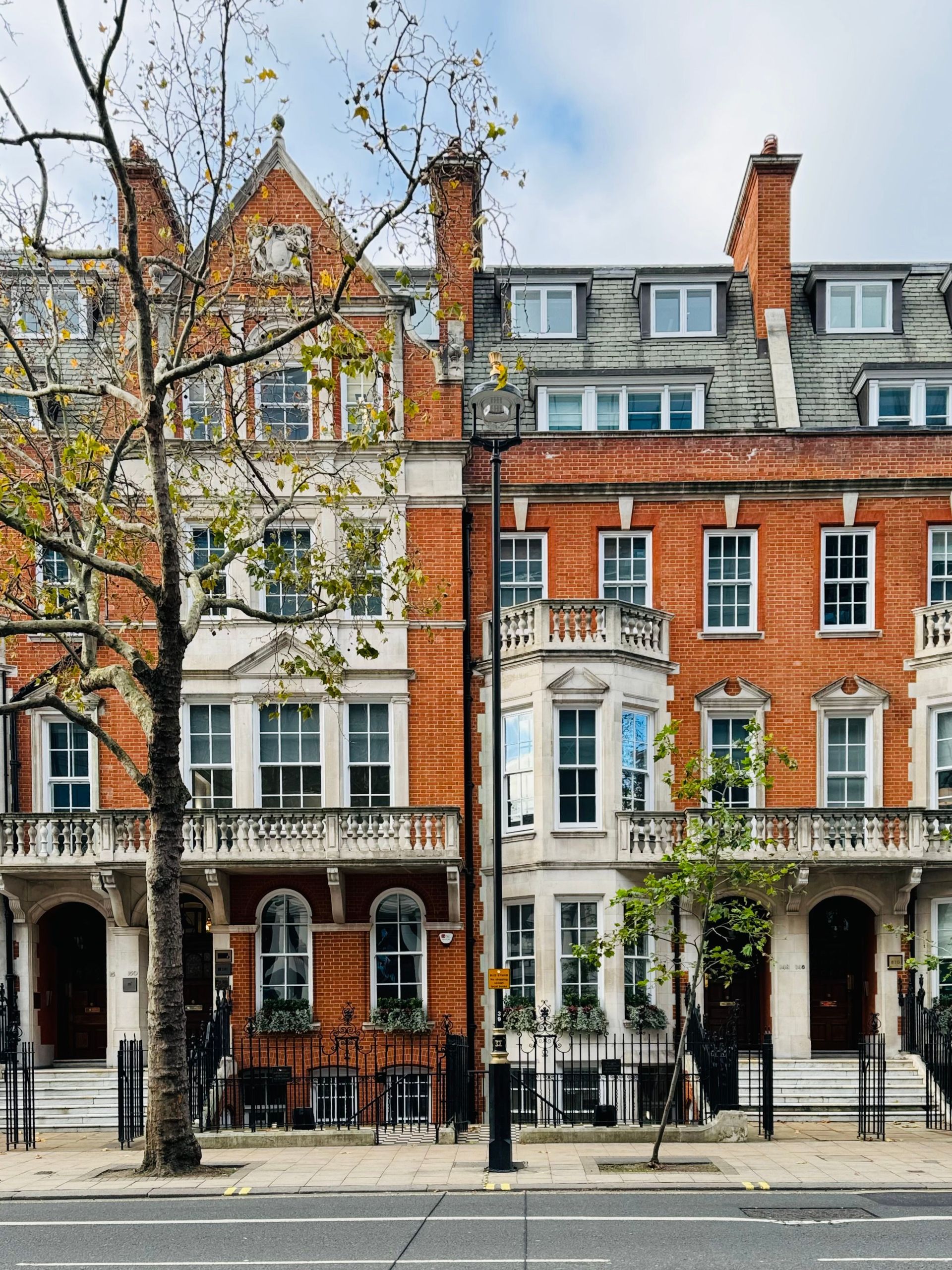
East London sits among busy roads and, historically, plenty of industry. The air here has always carried more grime than leafier suburbs, and that grime settles on the roofs. The old stock-brick terraces and their slate roofs have soaked up city dirt for generations.
Soft washing and its treatment lift that grime as the growth dies back, rather than trying to scour it off. The result is a roof that looks clean and stays clean, without the surface damage a jet would leave. For a roof that lives in city air, gentle and thorough beats fast and harsh every time.
5. What soft washing clears and how long it lasts
A proper soft wash clears moss, algae, lichen, and the grime bound up with them. The roof does not transform in an instant. The growth is killed on the day, then dries and washes off over the following weeks, so the roof keeps improving after the work is done.
Because the treatment kills growth at the root rather than just removing the top layer, it lasts. Regrowth stays slow for a few years rather than returning in months, even in East London's damp, grimy air. That is the payoff for the patience the method takes.
6. The safe method for terraces and conversions
Whatever kind of East London roof you have, soft washing fits it. The Victorian terrace with brittle Welsh slate, the warehouse conversion with a flat covering, the newer home with concrete tiles. All of them clean up gently at low pressure, and none of them should meet a jet.
That is the strength of the method. One safe approach across the whole mix of roofs in the area, clearing the moss and grime without adding any damage. It is slower than a pressure blast and far kinder to the roof, which is the trade worth making.
What soft washing removes from a city roof:
- Moss and its held water: killed at the root and rinsed away by the weather.
- Green and black algae streaks: the surface staining rain will not shift.
- Lichen crusts: the tougher grey and yellow patches on older tiles.
- City grime and soot: the traffic dirt bound up with the growth.
- Loose debris on the surface: cleared as part of the job.
Frequently Asked Questions
Is soft washing strong enough to remove city grime?
Yes. The biocide treatment kills the growth and loosens the grime bound up with it, and the weather rinses it away over the following weeks. It clears more than a rinse without the damage of a jet.
Is pressure washing ever safe on a roof?
Rarely, and almost never on the old slate and tile common in East London. High pressure cracks tiles, strips the surface, and forces water in. Soft washing is the safe method for any roof.
How long does soft washing last?
Usually a few years, because it kills growth at the root rather than just removing the surface layer. Damp, shaded, or heavily grimed roofs may need doing a little sooner.
Will my roof look clean straight away?
The growth is killed on the day, then dries and washes off over the following weeks, so the roof keeps improving. It is less instant than a blast but far safer for the tiles.
Does soft washing work on flat roofs too?
Yes. It clears the moss and algae off a flat covering gently, without the seam damage a pressure washer causes. The outlets are cleared at the same time so the roof drains.
Want your city roof cleaned the safe way?
Ben's Roof Cleaning uses low-pressure soft washing on roofs across East London, with over 15 years of experience. Get in touch or call 020 8049 9609
for a free, no-obligation quote.
The gentle way to clean a city roof
An East London roof takes on more than most, from valley damp and moss to decades of city grime. Clearing all that safely is a matter of method, not muscle. Soft washing kills the growth, lifts the dirt, and leaves an old slate or tile roof intact, where a pressure blast would strip it and start the damage. For a roof living in city air, gentle really is the way to keep it clean.