The River Lea and Damp: Why East London Roofs Stay Green
If your East London roof always seems to have a green tinge, the ground under your feet is part of the reason. This is low, flat, damp country, shaped by the River Lea and its old marshes, and all that moisture in the air and ground feeds the moss on your tiles.
You cannot change where your house sits, but understanding why the moss keeps coming makes it far easier to keep on top of. Here is what the Lea Valley does to East London roofs, and what actually keeps a roof clear in a damp part of town.
The quick answer: East London is low-lying and damp, sitting along the Lea Valley and its former marshland, so roofs here stay wet longer and grow moss faster than in drier, higher parts of the city. A soft wash with a biocide treatment clears the growth and slows its return, while clear gutters stop water pooling.
1. East London sits low and damp
Geography matters more than people realise for a roof. Much of East London lies on low, flat ground near the Thames and the Lea, only a little above the water table. Low ground holds damp, and damp air keeps roofs wet.
Compare that with the higher, drier ground in parts of North and South London, and the difference shows up on the tiles. A roof in a damp, low-lying spot simply does not dry out as quickly between wet spells, and a roof that stays wet grows moss.
2. The Lea Valley and its marshes
The River Lea runs down the eastern edge of the area, with the Lea Navigation beside it, through what were once extensive marshes. Hackney Marshes, Walthamstow Marshes, and the wetlands along the valley are the surviving pieces of that old landscape.
Marshland is damp by definition, and even the built-up areas nearby carry that character. The air holds more moisture, mist gathers on still mornings, and the whole valley feels a touch damper than the ground rising away from it. Roofs across Hackney, Leyton, and Walthamstow live in that damp air.
3. Why low, damp ground grows more moss
Moss does not need rain, only dampness. It pulls moisture straight from the air and the surface it sits on, so it thrives wherever a roof stays wet for long stretches. The humid air of a river valley delivers exactly that.
On a still, damp morning in the Lea Valley, roofs stay wet with dew and mist well past sunrise, even when it has not rained. Over weeks and months, that constant surface damp lets moss take hold and spread. It is the same reason the walls, fences, and paving nearby go green so readily.
4. Shade, terraces and north-facing slopes
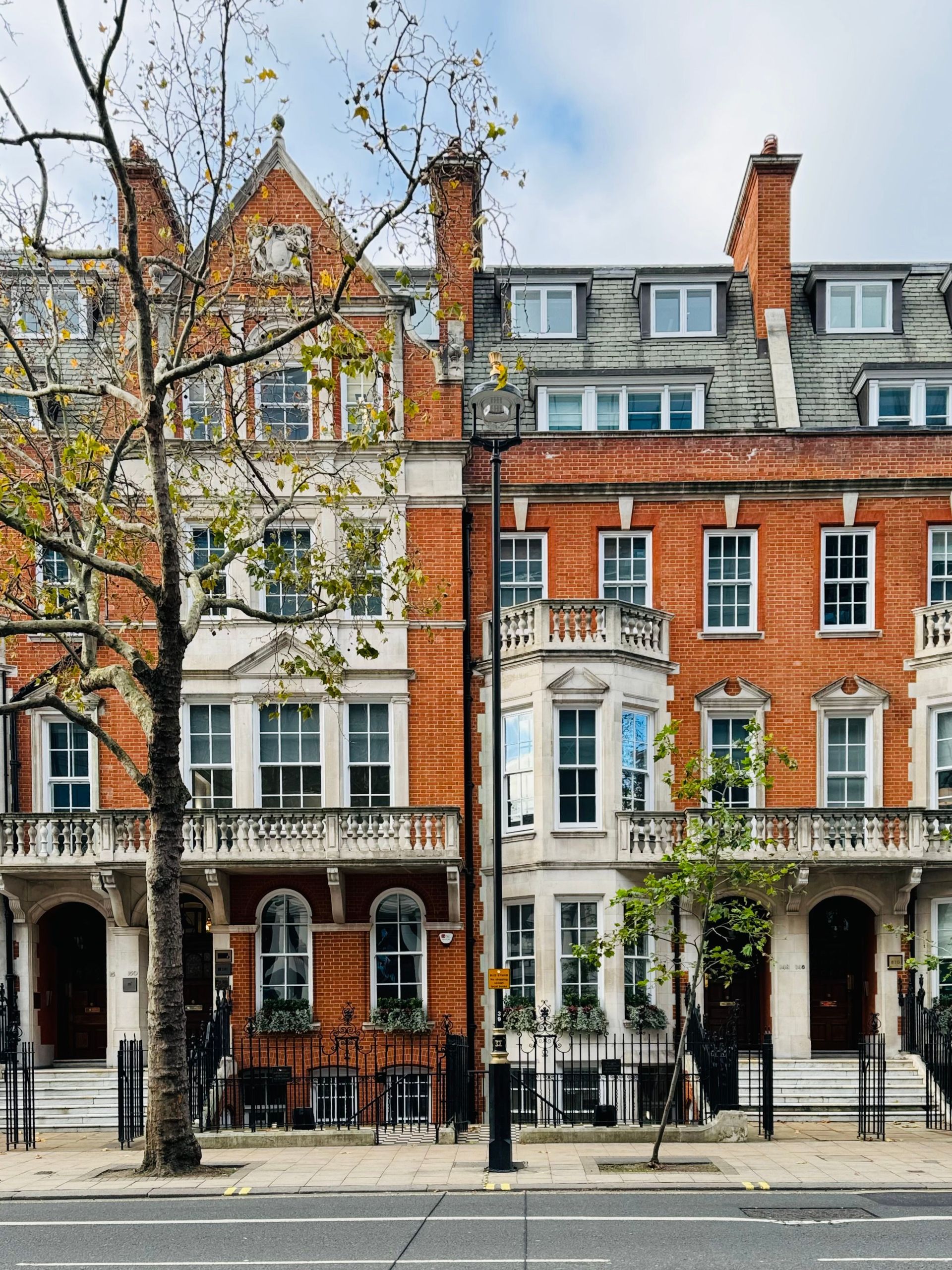
The damp ground sets the stage, and shade does the rest. East London's tight Victorian terraces sit close together, shading each other's roofs, and the north-facing slopes get little direct sun to dry them out.
A north-facing terrace roof in Hackney or Bow can stay damp almost all day through winter. Add a street tree or two and it barely dries at all. That is why the moss is nearly always worse on one slope, and worse on the shaded side of a street, even among identical houses.
5. What the damp does to a roof
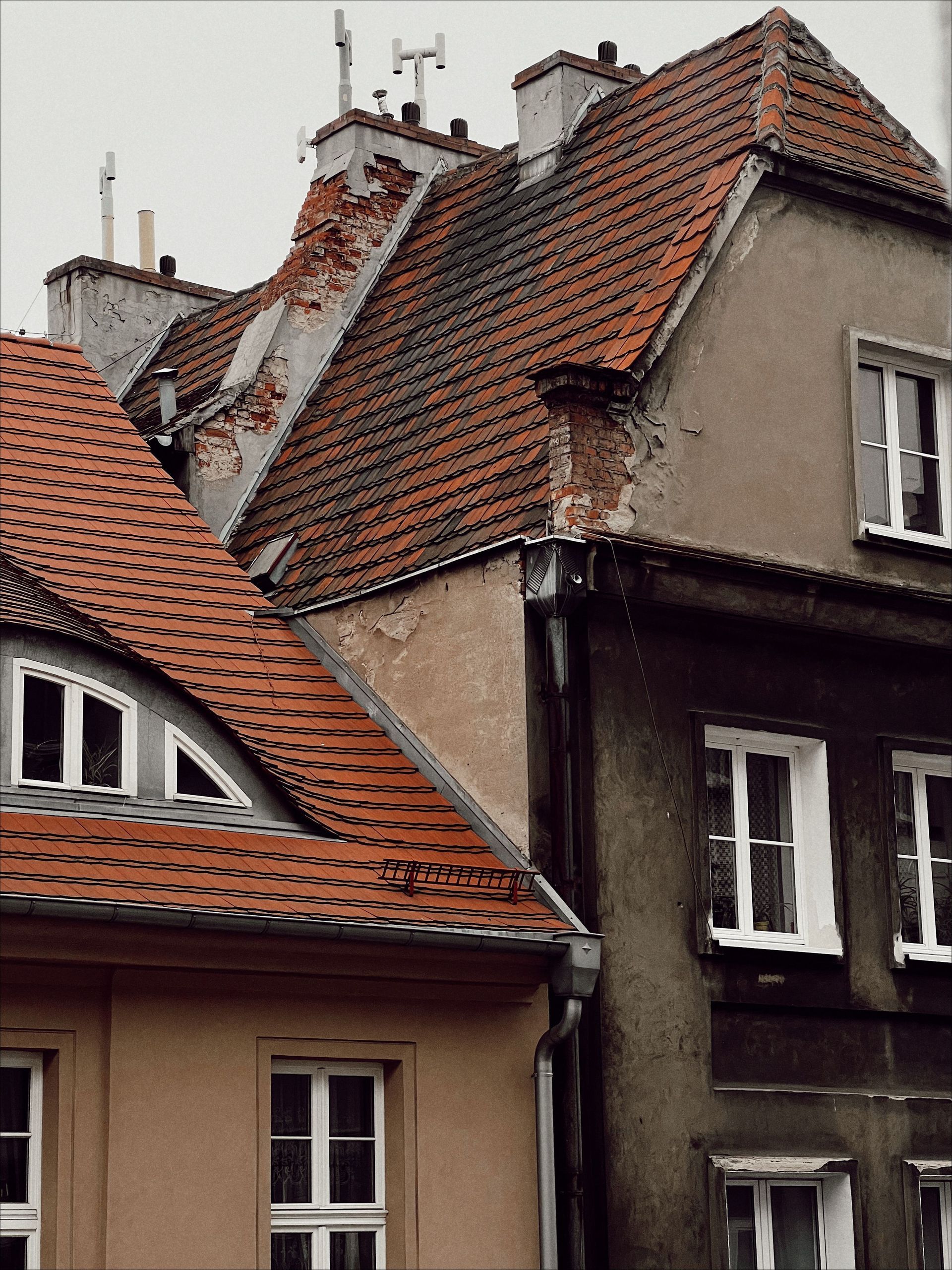
Constant damp wears a roof down over time. Water sitting in porous old tiles and slates speeds up their decay, and in winter that trapped water freezes and cracks the surface. East London's older housing has plenty of aged slate and tile that suffers this way.
The moss makes it worse by holding water against the roof like a sponge. It breaks off into the gutters and blocks them, then the overflow runs down the walls, which the solid brickwork of an old terrace soaks up fast. Damp ground, damp air, and thick moss together are hard on a roof left alone.
6. Keeping an East London roof clear
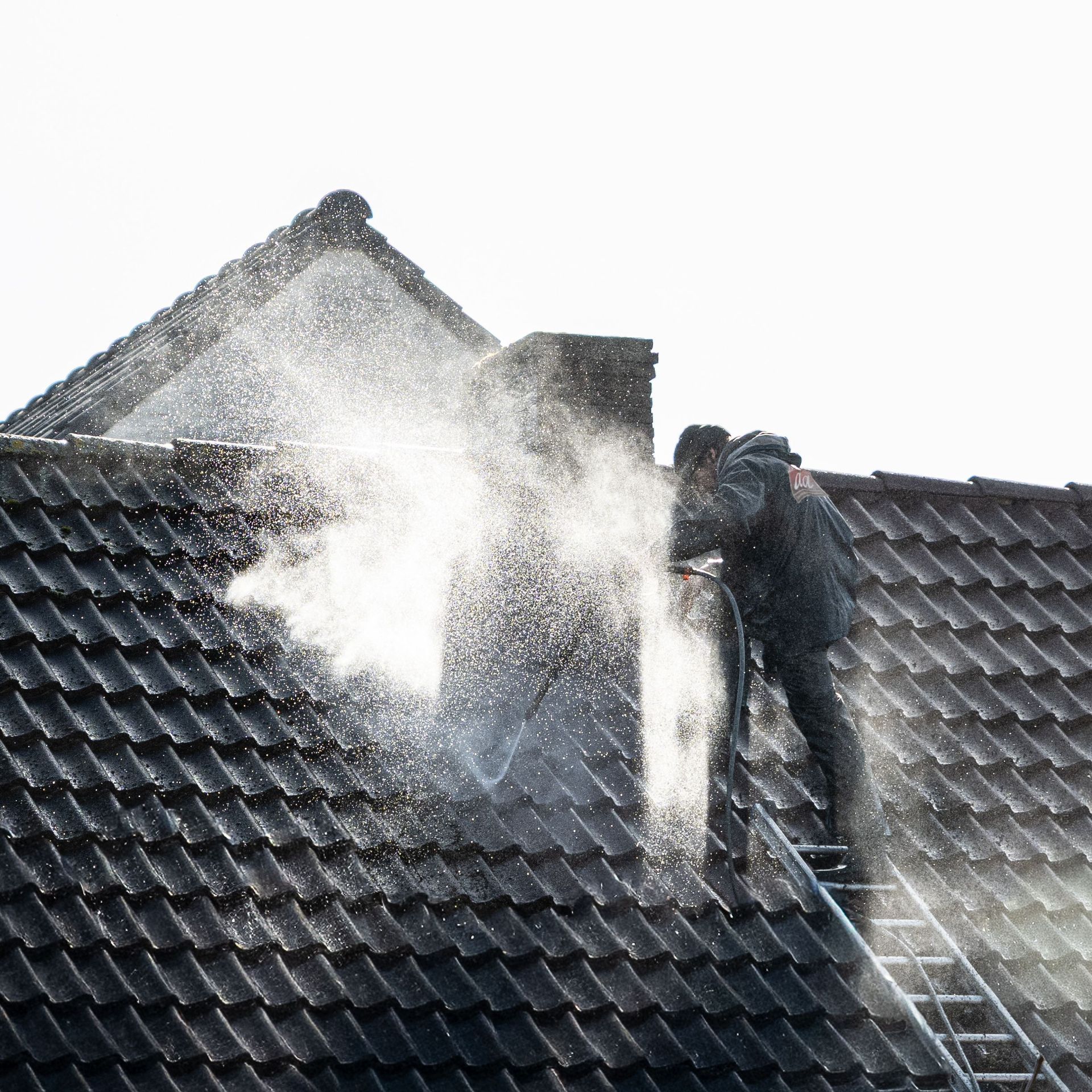
You cannot drain the Lea Valley, but you can manage what the damp does to your roof. A soft wash clears the moss and a biocide treatment keeps regrowth slow for a few years, even in the humid valley air. Cutting back overhanging branches lets more light and air reach the tiles.
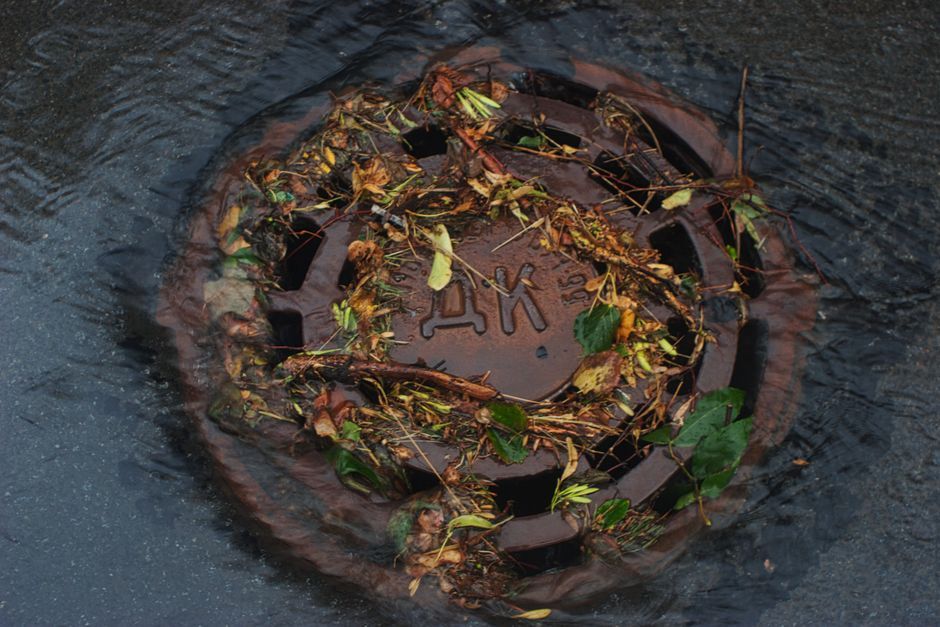
Clearing the gutters matters even more in a damp area, since debris there never dries out and blocks fast. A clear once or twice a year keeps water moving off the roof and away from the walls. In a place this damp, that routine care is what keeps the green off your tiles.
Why East London roofs stay green:
- Low, flat, damp ground: holds moisture and keeps the air humid.
- The Lea Valley and its marshes: extra dampness and mist along the river.
- Tight terraces shading each other: less sun to dry the roofs out.
- North-facing slopes: stay damp almost all day in winter.
- Old, porous tiles and slate: soak up and hold the surrounding damp.
Frequently Asked Questions
Does living near the River Lea really make my roof grow more moss?
Yes. The low, damp ground and humid valley air keep roofs wet longer, and damp is what moss needs. Roofs in the Lea Valley often grow more than those on higher, drier ground.
Why is the moss worse on one side of my roof?
That side almost certainly faces north or sits in the shade of neighbouring houses, so it gets the least sun and stays damp longest. The sunnier slope dries faster and grows less.
Will the moss just come back because of the damp?
It returns eventually, as on all roofs, but a biocide treatment slows it a lot even in humid air. East London roofs simply need cleaning a little more often than drier ones.
Is the moss actually harming my roof?
Thick moss holds water against the tiles, blocks gutters, and lifts the laps over time, so established growth is worth clearing. A thin film is mostly cosmetic.
How often should an East London roof be cleaned?
Every few years for the moss, with gutters cleared once or twice a year. Damp, shaded, tree-covered homes are at the more frequent end.
Roof always looking green?
Ben's Roof Cleaning clears moss and treats roofs to slow its return across East London, with over 15 years of experience. Get in touch or call 020 8049 9609
for a free, no-obligation quote.
Working with a damp corner of London
The Lea Valley gives East London its parks, its wetlands, and its damp air, and the moss on your roof comes with the territory. You cannot stop it for good, but you can clear it properly, treat it to slow the return, and keep the gutters moving so water never sits. Do that, and even a roof in the dampest part of the valley stays clear for years at a stretch.