Birds, Nests and Pests in Your East London Gutters
You might hear them before you see the problem. Scratching and cooing above the bedroom, a flap of wings at the roof edge, then one day the gutter is overflowing for no obvious reason. Birds and pests love your gutters, and once they settle in they cause more bother than you would think.
A gutter full of nesting material does not drain, and a roof that lets creatures in is a roof with a gap somewhere. It is worth knowing what gets up there, what damage it does, and how to keep your gutters clear and uninviting.
The quick answer: Gutters give birds and pests a sheltered, high, out-of-reach spot to nest, and the twigs and mess they leave block the flow so water backs up onto the roof and walls. Clearing gutters regularly, out of nesting season, and keeping the roofline in good order is the best way to stop them settling in and causing damp.
1. Why gutters attract birds and pests
A gutter is a ready-made ledge. It is high up, safe from cats and foxes, sheltered by the roof overhang, and often already lined with leaves and moss that make handy nesting material. To a bird looking for somewhere to raise a brood, it is close to perfect.
The roof edge is just as tempting for other creatures. Gaps under loose tiles, behind fascia boards, or where the felt has torn give small pests a warm, dry way into the roof space. Once one finds a route in, others follow, and the loft becomes a nesting site of its own.
The mess feeds the problem. Birds bring in twigs, feathers, and droppings, and that debris packs into the gutter and blocks it. A blocked gutter holds water and rots the timber, which opens up even more gaps for the next lot to move into. It becomes a cycle.
2. Common visitors in East London
Pigeons are the big one across East London, and they are everywhere from Hackney to the Docklands. They roost on ledges, foul the roof and gutters, and their nests and droppings build up fast on the flat and shallow roofs of warehouse conversions and canal-side flats around Hackney Wick and Bow.
Smaller birds like starlings and house sparrows squeeze under tiles and into gaps at the eaves, especially on older Victorian terraces where the roofline has worn over the years. Seagulls turn up too, drawn inland along the River Lea and the canals, and they are big, noisy, and messy on a roof.
Then there are the pests that follow. Squirrels will chew their way into a loft through a weak spot, and where there is food and shelter, rodents and insects are not far behind. The old marshland and green corridors along the Lea Valley give all of this wildlife plenty of nearby habitat.
3. The damage a nest can do
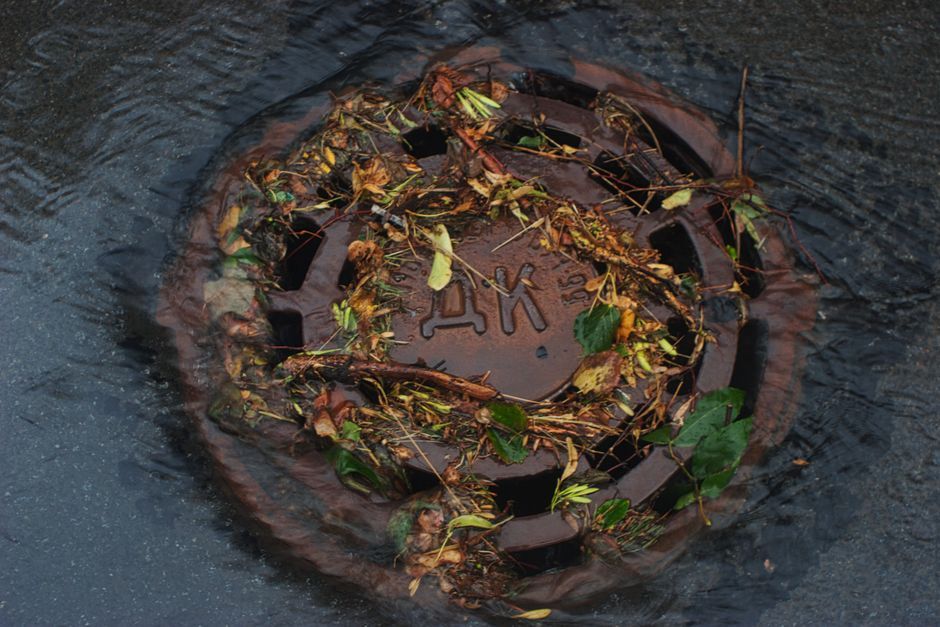
The first casualty is drainage. A nest in the gutter or downpipe hopper acts like a plug. Rainwater cannot get past, so it backs up, spills over, and runs down the wall, and you get the same damp problems a blocked gutter always brings.
Then there is the roof itself. Birds and pests getting under tiles can dislodge them, tear the felt, and widen the very gaps they came through. Droppings are acidic and mess up surfaces, and a build-up in the roof space is unpleasant and unhealthy to deal with.
Left alone, a small intrusion becomes a real repair. What started as one bird under a tile can end as a blocked gutter, a damp wall, damaged felt, and a loft full of mess. Dealing with the debris and keeping the gutters clear stops it snowballing.
4. Signs of a problem up there
Noise is often the first hint. Scratching, scrabbling, or persistent birdsong coming from the roof or the top of a wall usually means something has moved in. In spring and early summer, the sound of chicks gives it away completely.
Outside, look for twigs or straw poking out of the gutter, streaks of droppings down the wall below a favourite perch, and feathers caught along the roofline. A gutter that overflows in only one spot, with everything else draining fine, often has a nest sitting right at that point.
Inside, a new damp patch on an upstairs ceiling, or rustling and dark corners in the loft, are worth checking. Catching it early, before a nest is fully built or a gap gets chewed wider, keeps the whole thing much simpler to sort.
5. Clearing it kindly and correctly
Timing matters here. In the UK, active nests with eggs or chicks are protected by law, so they must not be disturbed while they are in use. That means the right time to clear gutters of old nesting material and stop the problem is outside the nesting season, once the birds have finished and moved on.
When we clear a gutter, we take out the built-up nesting debris, leaves, and droppings, flush the run, and check the downpipes so water flows freely again. It is worth doing thoroughly, because a half-cleared gutter with old material left in it just invites the birds straight back next spring.
On an East London terrace, where the roofline is high and access is tight, this is safer done properly at height rather than off a garden ladder. If we spot a gap under a tile or a worn edge where birds are getting in, we will point it out so you can get it looked at before the next lot arrive.
6. Keeping gutters uninviting
The trick is to make the gutter a poor home. A clean, clear gutter with no leaves or moss has nothing for a bird to build with, and it drains properly so nothing damp collects. Regular clearing is the single most useful thing you can do to keep them from settling in.
Keeping the roof in good order helps just as much. A roof with no loose tiles, sound fascias, and no worn gaps gives pests nowhere easy to slip in. Soft washing the moss off the roof also removes a favourite nesting material at the source.
Here is how to keep birds and pests off your gutters and roof:
- Clear gutters regularly: a clean gutter with no leaves or moss gives birds nothing to nest with and drains properly.
- Time it right: clear out old nesting material outside the nesting season, since active nests are protected while in use.
- Keep moss down: soft washing the roof removes the moss that birds love to build with and that clogs the gutters.
- Watch the roofline: get loose tiles, worn felt, and gaps at the eaves looked at, since these are the ways in.
- Act on early signs: deal with a bit of scratching or a single nest quickly, before it becomes a blocked gutter and a damp wall.
Frequently Asked Questions
Can you remove a bird nest from my gutter?
We clear built-up nesting debris and blockages as part of gutter cleaning, but only outside the nesting season. Active nests with eggs or chicks are protected by law and must be left until the birds have finished.
Why does only one part of my gutter overflow?
Usually a nest or a packed clump of debris is sitting at that exact spot, plugging the flow while the rest of the gutter drains normally. Clearing that point sorts it.
Do birds really damage the roof?
They can. Getting under tiles dislodges them and tears the felt, droppings foul surfaces, and blocked gutters lead to damp. A small intrusion left alone grows into a real repair.
What attracts pests to my roof in the first place?
Shelter and easy access. Leafy, mossy gutters and gaps under loose tiles or worn fascias give a warm, dry way in, and the green Lea Valley nearby supplies plenty of wildlife.
How do I stop them coming back?
Keep the gutters clear and the roofline sound. A clean, well-drained gutter and a roof with no easy gaps gives birds and pests little reason to settle in.
Found a nest or blockage in your gutters?
Ben's Roof Cleaning clears gutters, nesting debris, and moss across East London, with over 15 years of experience. Get in touch or call 020 8049 9609
for a free, no-obligation quote.
Clear gutters give birds and pests nowhere to settle
Your gutters are a tempting home for birds and pests, but they do not have to be. Keep them clear and drained, keep the moss off the roof, and get worn tiles and gaps looked at, and you take away the shelter and the building material that draws wildlife in. On a high East London roofline, that steady care is what keeps the mess and the damp away.