Blocked Downpipes on East London Terraces: Causes and Fixes
You only tend to notice a downpipe when it stops doing its job. One heavy shower, and instead of a steady stream at the bottom you get water pouring over the gutter above and running down your wall. That little pipe matters more than it looks.
Your downpipe is the drain for your whole roof, and on a tight terrace it does a big job in a small space. When it clogs, the water has to go somewhere, and it usually finds your brickwork or the inside of your house.
The quick answer: A downpipe blocks when leaves, moss, and silt washed off the roof settle in the pipe or the gully at the bottom. Water then backs up, overflows the gutter, and soaks the wall. Clearing the pipe and the gully, and keeping the gutters above them free of debris, is what keeps everything draining as it should.
1. What a downpipe does, and why a blockage matters
The gutter catches the rain off your roof, but it is the downpipe that carries it safely to the drain. Without a clear downpipe, the gutter just fills and spills. So even a spotless gutter is only half the system, and the pipe is the half that actually gets the water away.
When the downpipe clogs, water has nowhere to go. It rises in the gutter and pours over the edge, which sounds harmless until you see where it lands. On a terrace, that overflow runs straight down the brick, saturating the wall week after week.
That constant wetting is the real problem. Damp works into the brick and mortar, finds its way inside as a stain or mould, and can rot the timber at the roof edge. A blocked downpipe is a small fault with a big reach if it is left.
2. What actually blocks a downpipe
Most blockages are simple. Leaves are the usual culprit, especially where a pipe has a bend or a hopper at the top that catches them. Once a few leaves lodge, everything else piles up behind, and a wet mush forms that will not shift on its own.
Moss is the other big one. Moss growing on the roof breaks off in bits, washes into the gutter, and slides down into the pipe where it packs together. Add the fine grit and silt that comes off ageing tiles, and you get a dense plug that chokes the flow.
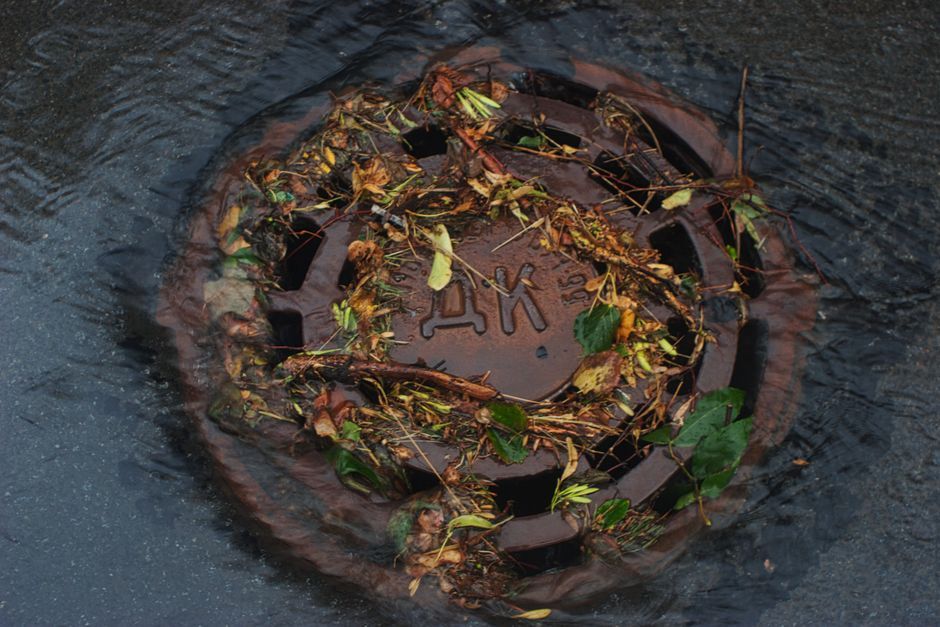
At the bottom, the gully or drain the pipe empties into can block too. If that is full of leaves and sludge, the water cannot get away even when the pipe above is clear. A proper clear looks at both ends, not just the pipe itself.
3. Terrace-specific problems in East London
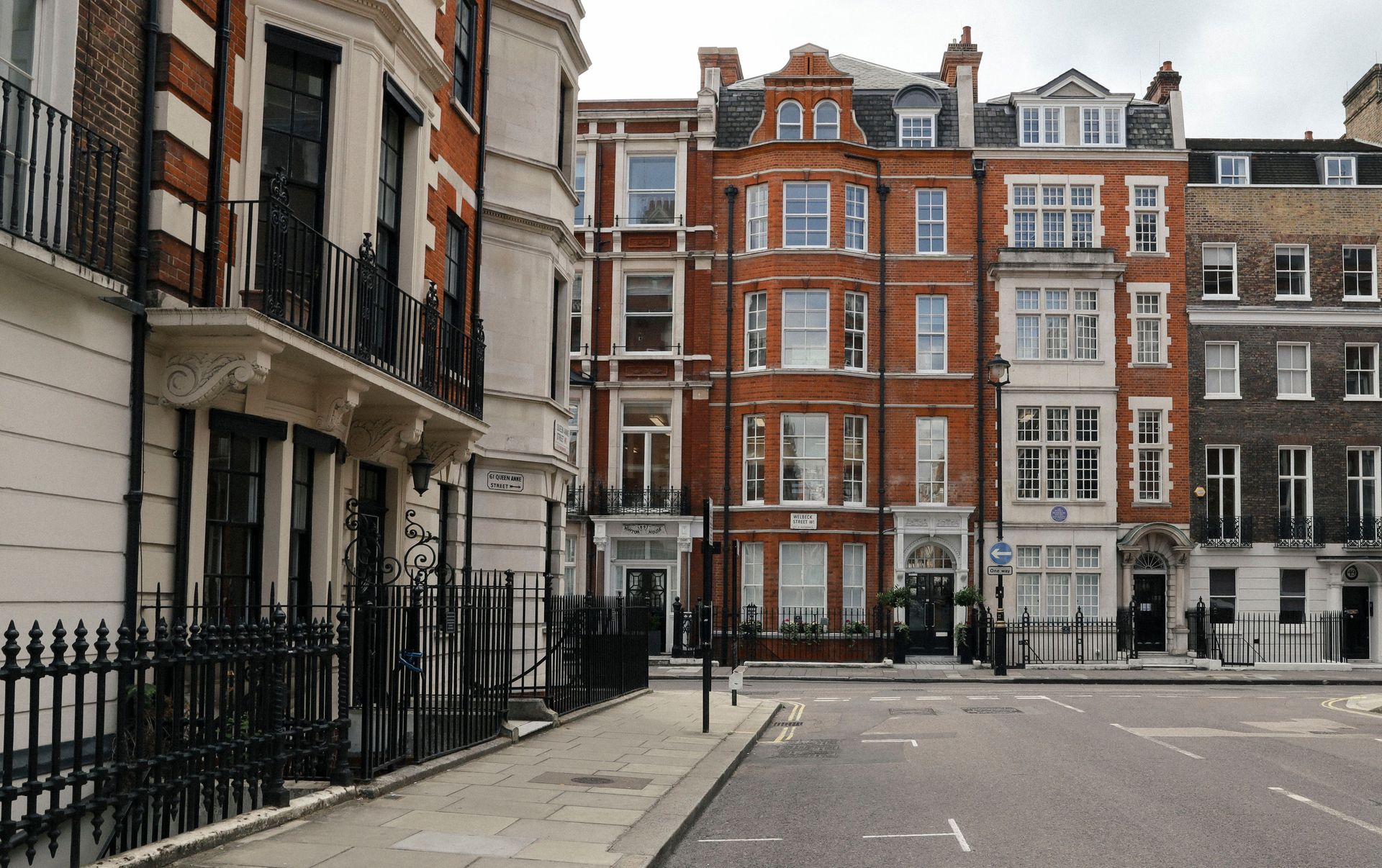
East London terraces make downpipes work hard. Long rows of Victorian houses in Hackney, Leyton, and Walthamstow often share drainage between them, and hidden parapet gutters behind the front wall feed down into pipes that are tucked away and rarely checked. Out of sight, out of mind, until they overflow.
The moss problem is worse here too. The damp, low ground along the River Lea and the old marshland at Hackney and Walthamstow keeps roofs green, and tight terraces shade each other so the moss never dries and dies. All that growth ends up shedding into the gutters and down the pipes.
Access adds a twist. On a terrace with no side passage, a rear downpipe can be awkward to reach, sitting in a narrow gap between buildings. That is often why these pipes get neglected. They are hard to get to, so they get left until the wall inside starts to stain.
4. Signs your downpipe is blocked
The clearest sign is water overflowing the gutter in the rain while the bottom of the downpipe stays dry. If the gutter is spilling but the outlet is barely trickling, the blockage is in the pipe. Watch your house during the next downpour and it usually gives itself away.
Other clues show up on dry days. A green or damp stain running down the wall below the gutter line, a patch of mould on the inside wall in the same spot, or a downpipe that sounds oddly quiet in the rain all point the same way. On a cast iron pipe, you might even see it bulging or leaking at a joint where water is trapped.
The sooner you spot these, the smaller the job. A blocked pipe caught in autumn is a quick clear. The same blockage left through a wet winter can leave you with a damp wall that takes far longer to dry out and put right.

5. Clearing it properly and safely
Clearing a downpipe means working from the top and the bottom. We clear the gutter and the outlet feeding the pipe, free the blockage inside, and check the gully at the base so the water has a clear run all the way to the drain. Miss one part and the problem comes straight back.
It is fiddly work, and on a terrace it usually means working at height in a tight spot. That is not a job to lean off a wobbly ladder for, especially over a rear extension or in a narrow side gap. Getting it done safely and thoroughly beats a risky half-effort that leaves the pipe part-blocked.
While the pipe is being cleared, it makes sense to sort the gutters at the same time, since the debris in the pipe came from up there. Clearing the whole run, gutter to gully, means the fix lasts rather than clogging again after the next big shed of leaves.
6. Keeping downpipes flowing
The best fix is not letting it block in the first place. Keeping the gutters and roof clear of moss and leaves cuts off the supply of debris that ends up in the pipe. If less lands in the gutter, less makes it into the downpipe, and the whole system stays quieter.
A regular clear-out, timed around the autumn leaf drop, keeps East London terraces ahead of the worst of it. It is a small yearly job that saves the bigger bother of a soaked wall and the damp that follows.
Here is what keeps a downpipe running freely:
- Clear gutters above: keep the gutters feeding the pipe free of leaves and moss so less debris ever reaches it.
- Check the hopper and bends: the open hopper at the top and any bend in the pipe are where blockages start, so they need looking at.
- Keep the gully clear: the drain at the base must be free too, or the water backs up even with a clear pipe.
- Cut back the moss: soft washing the roof reduces the moss that sheds into the gutters and packs the downpipes.
- Clear yearly, before winter: a clear-out around the autumn leaf drop keeps the pipe flowing through the wettest months.
Frequently Asked Questions
How do I know the blockage is in the downpipe, not the gutter?
Watch it rain. If the gutter overflows but little or no water comes out of the bottom of the downpipe, the blockage is in the pipe rather than the gutter.
What usually blocks a downpipe?
Leaves, moss washed off the roof, and fine silt off ageing tiles. They pack together at a bend or hopper, and the gully at the base can clog as well.
Can a blocked downpipe damage my house?
Yes. Overflowing water soaks the brickwork, and over time that damp can show inside as stains or mould and rot the timber at the roof edge.
Why are terrace downpipes such a problem?
On East London terraces, pipes are often tucked in narrow gaps or fed by hidden parapet gutters, so they are hard to reach and easy to forget until they overflow.
How often should downpipes be cleared?
Once a year suits most homes, ideally around the autumn leaf drop. Keeping the gutters and roof moss down between times means less ends up in the pipe.
Got a downpipe overflowing in the rain?
Ben's Roof Cleaning clears blocked downpipes, gutters, and moss across East London, with over 15 years of experience. Get in touch or call 020 8049 9609
for a free, no-obligation quote.
A clear downpipe keeps the water off your walls
Your downpipe is a small part of the roof that does an outsized job, and a blockage in it puts your walls and your comfort at risk. Clear the pipe from top to bottom, keep the gutters and moss above it in check, and time a yearly clear before winter, and that quiet stream at the bottom keeps doing exactly what it should.