What to Expect on the Day of a Roof Clean in East London
You have booked your roof clean, and now you are wondering what the day actually looks like. Will your street be blocked, will it be noisy, do you need to be home? These are fair questions, and knowing the answers takes the mystery out of it.
A roof clean is a straightforward, tidy job when it is done right. Here is a walk through a typical day, start to finish, so you know what to expect when we turn up at your East London home.
The quick answer: On the day, we arrive and check access, set up safely, clear the moss and debris off the roof by hand, then soft wash it with a low-pressure biocide treatment. We sort the gutters and downpipes, tidy up after ourselves, and leave. The biocide keeps working for weeks, so the roof carries on clearing after we go.
1. Before we arrive, a quick chat and access
The day really starts before we get there. When you book, we talk through what the job involves and any quirks of your property, like whether there is rear access, a conservatory below, or hidden parapet gutters to reach. Knowing this in advance means we turn up with the right plan.
You do not usually need to be home the whole time, since the work is outside. It does help if we can reach you on the day and if you have moved cars off the drive or the bit of street right by the house, so we have room to set up.
If there is anything delicate, a prized plant against the wall, a garden ornament, or a shared side passage, just tell us. A quick heads-up lets us work around it, and it saves any surprises when we are setting up.
2. Setting up safely on your street
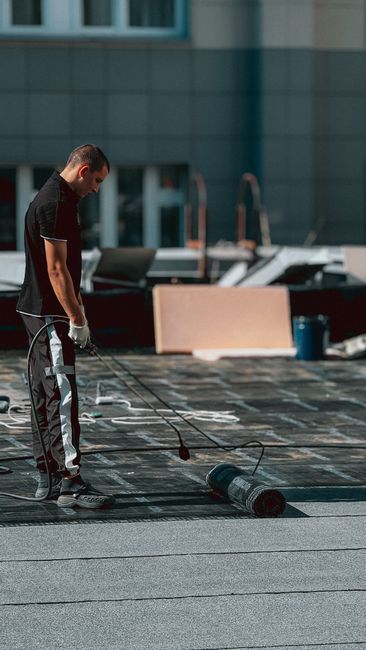
When we arrive, the first job is a proper look and a safe setup. We assess the roof, decide the best access, and get our equipment in place. On a terrace this takes a bit of thought, because there is often no side access and the street is parked up nose to tail.
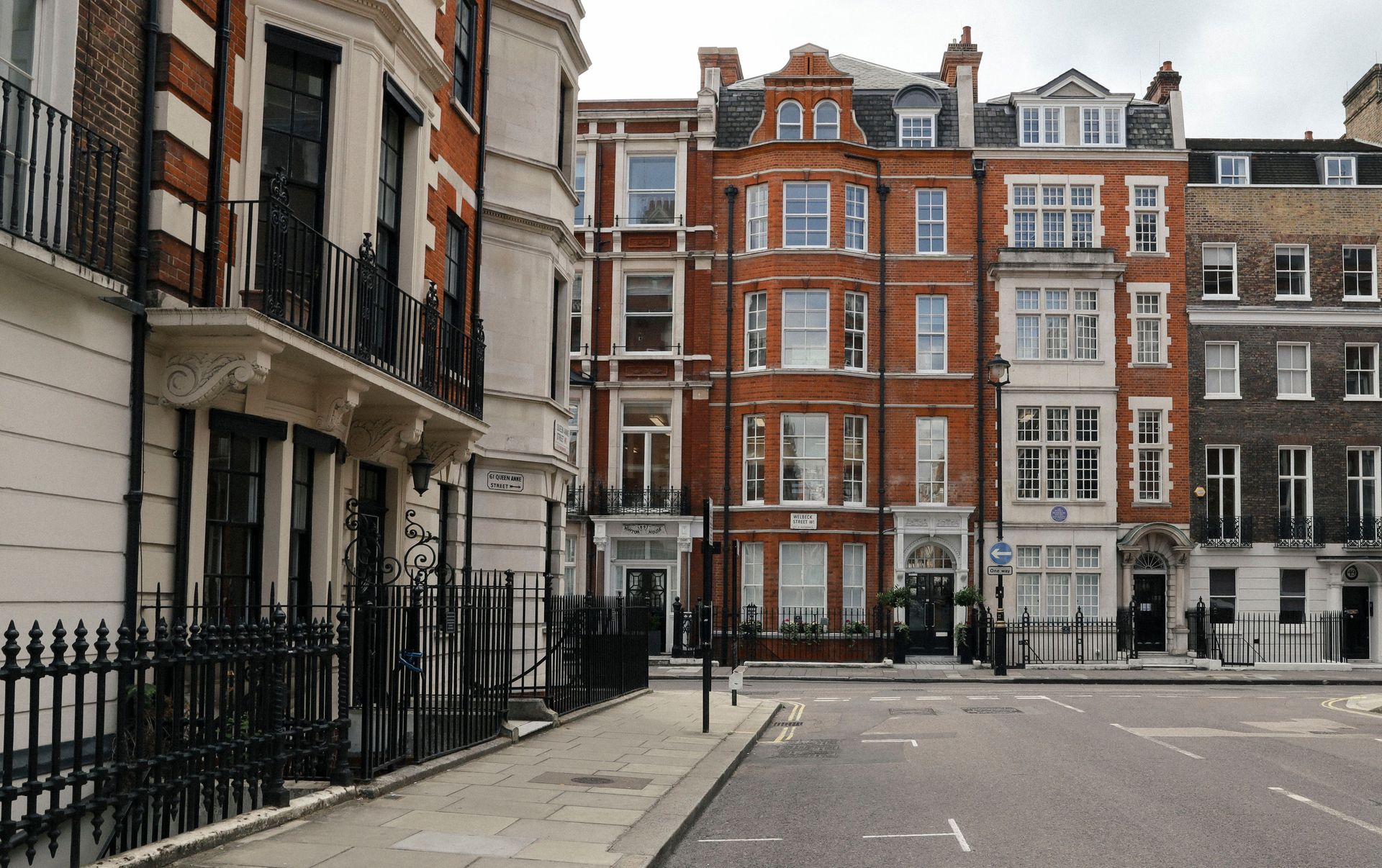
East London streets can be tight, so we set up carefully to keep the pavement clear for people passing and to reach the roof without getting in anyone's way. On a warehouse conversion or a taller building around Hackney Wick or Bow, that setup naturally takes a little longer given the height.
Safety comes first, always. Working at height over a hard London pavement is not something to rush, so we take the time to get the access right before anyone goes up. It is the difference between a smooth job and a risky one.
3. Clearing the moss and debris by hand
With everything set up, we start by clearing the roof of the thick stuff. Moss, leaves, and debris come off first, worked away carefully so we are not just blasting it around. On a heavily mossed East London roof, this is the part that makes the biggest visible difference.
We are gentle with the covering as we go. Plenty of roofs round here still wear their original Welsh slate, which is thin and can be brittle with age, so clearing the moss is done with care rather than force. The aim is a clean roof, not a damaged one.
You will see the transformation happening from the ground. As the moss lifts away, the true colour of the tiles comes back, and the roof already looks a world better before the treatment stage even begins.
4. The soft wash and biocide treatment
Next comes the part that makes the clean last. We soft wash the roof, which is low-pressure water paired with a biocide treatment. There is no high-pressure jet hammering the tiles, so it is quieter and gentler than people often expect.
The biocide is the clever bit. It soaks into what is left of the growth and kills it at the root, so the moss and algae do not just get shifted, they die off. That is why soft washing keeps a roof cleaner for far longer than a quick pressure blast ever could.
This stage is calm and methodical. It is not a dramatic, drenching spectacle, just steady, careful coverage of the whole roof so the treatment does its work evenly across every slope and into the awkward corners.
5. Gutters, downpipes, and the tidy-up
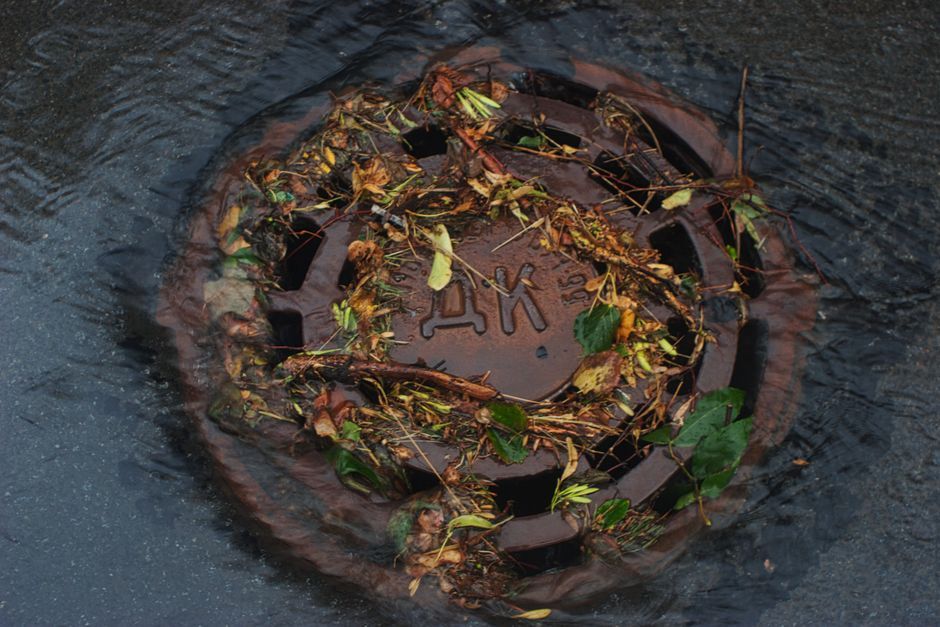
Since we are already up there, it makes sense to sort the gutters and downpipes at the same time. We clear out the moss and debris that has washed down, check the runs, and make sure the water can get away freely. On terraces with hidden parapet gutters, this is a good chance to reach the parts you cannot normally see.
Then we tidy up. Any moss and debris that has come down gets cleared from the ground, the paths, and the beds as best we can, so you are not left with a mess to deal with. We leave the place as we found it, minus the moss.
Before we go, we will let you know how it went and flag anything worth keeping an eye on, like a slipped tile or a worn bit of flashing we noticed while we were up there. It is your roof, so it helps to know its condition.
6. What happens after we leave
Here is the part that surprises people. Your roof will not look pristine the very next day, and that is completely normal with soft washing. The biocide carries on working for weeks, killing the growth at the root, and the dead moss then weathers away gradually.
Over the following weeks and months, the rain rinses the treated roof and the last of the dead growth washes off. The roof keeps improving after we have gone, which is exactly how the method is meant to work. Patience gets you a cleaner roof that stays clean.
Here is a quick summary of a typical roof cleaning day:
- Arrival and assessment: we check the roof and access and plan the safest way to work on your particular property.
- Safe setup: equipment goes in place carefully, keeping tight East London streets and pavements clear.
- Moss clearance: the moss, leaves, and debris come off the roof by hand, gently on older slate.
- Soft wash treatment: low-pressure water and a biocide are applied evenly to kill growth at the root.
- Gutters and tidy-up: the gutters and downpipes are cleared, the ground is tidied, and we flag anything we spotted.
Frequently Asked Questions
Do I need to be home for the roof clean?
Not the whole time, since the work is outside. It helps if we can reach you on the day and if cars are moved from right by the house so we have room to set up.
Will it be very noisy or messy?
Less than you might think. Soft washing uses low pressure, not a loud jet, and we tidy the moss and debris off the ground and paths before we leave.
How long does a roof clean take?
It depends on the size, access, and how much moss there is. A tight terrace with awkward access or a taller conversion takes longer than a simple, easy-to-reach roof.
Why does my roof still look mossy afterwards?
That is normal. The biocide keeps killing the growth for weeks, and the dead moss weathers off gradually as the rain rinses it, so the roof keeps clearing after we go.
Will you clear the gutters too?
Yes, we clear the gutters and downpipes while we are set up at height, since the moss and debris wash down into them during the roof clean anyway.
Ready to book your roof clean?
Ben's Roof Cleaning soft washes roofs, clears moss, and sorts gutters across East London, with over 15 years of experience. Get in touch or call 020 8049 9609
for a free, no-obligation quote.
A roof clean is a tidy, steady job from start to finish
There is nothing to dread about roof cleaning day. We turn up, set up safely, clear the moss, soft wash the roof, sort the gutters, and tidy up, all with your property and your street in mind. Then the treatment carries on quietly working for weeks, leaving you with a roof that looks better and stays that way.