Warehouse Conversions and Flat Roofs: Roof Care in East London
East London does not have one kind of roof. Walk from Hackney to the Docklands and you pass Victorian terraces, converted warehouses, new-build flats, and everything in between. If you live in one of the area's warehouse conversions or a home with a flat roof extension, your roof needs a different sort of attention than a standard pitched one.
Flat and low-pitch roofs have their own weak points, and moss and standing water are top of the list. Getting them cleaned and draining properly keeps small problems from becoming leaks. Here is how to look after the flat roofs that are so common across East London.
The quick answer: Flat and low-pitch roofs on East London's warehouse conversions and extensions collect moss, algae, and debris that block the drainage outlets and leave water standing. They need gentle cleaning and clear outlets, not pressure washing, which damages the covering. Regular clearing stops the standing water that leads to leaks.
1. East London's roofs are a real mix
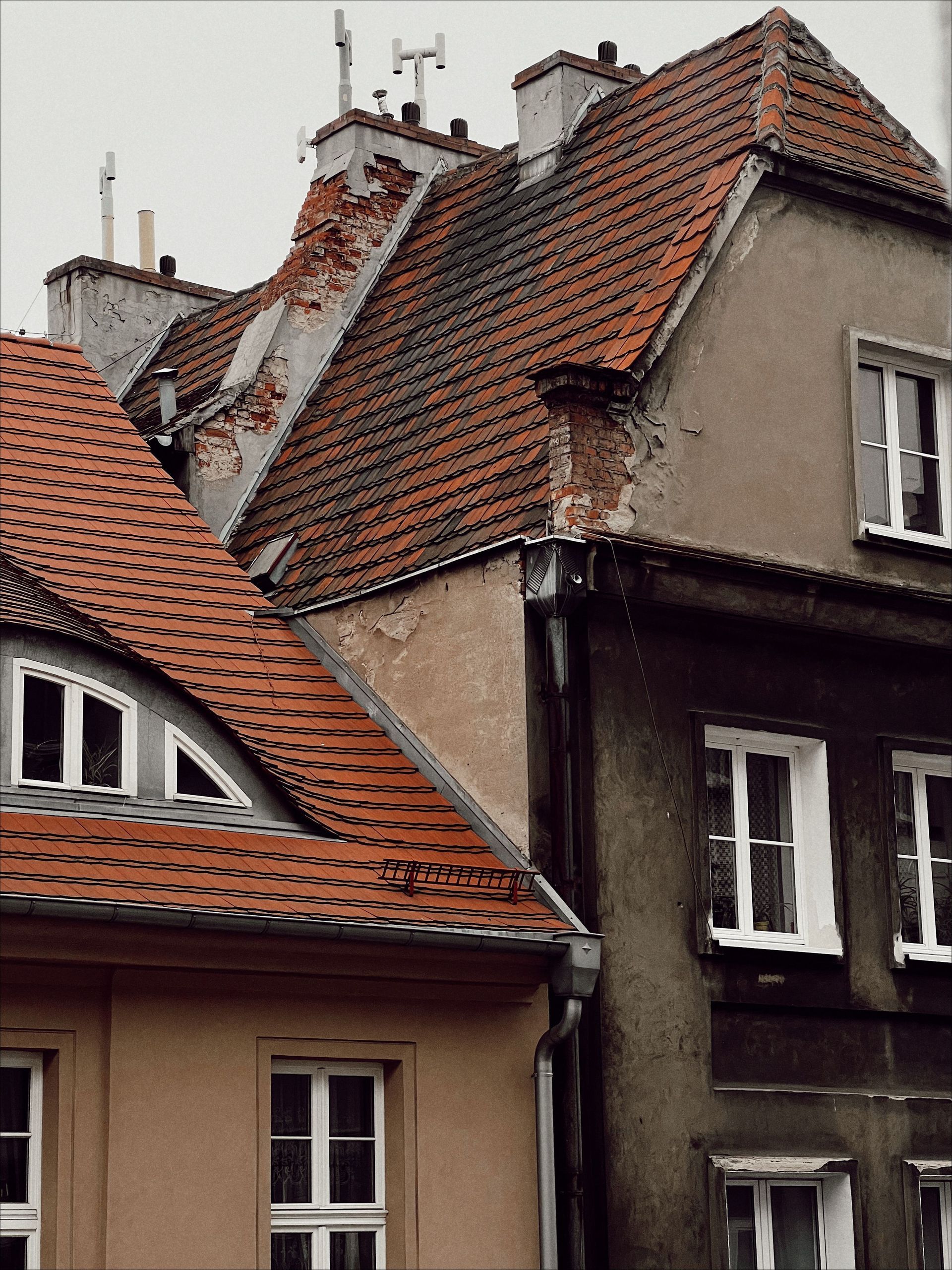
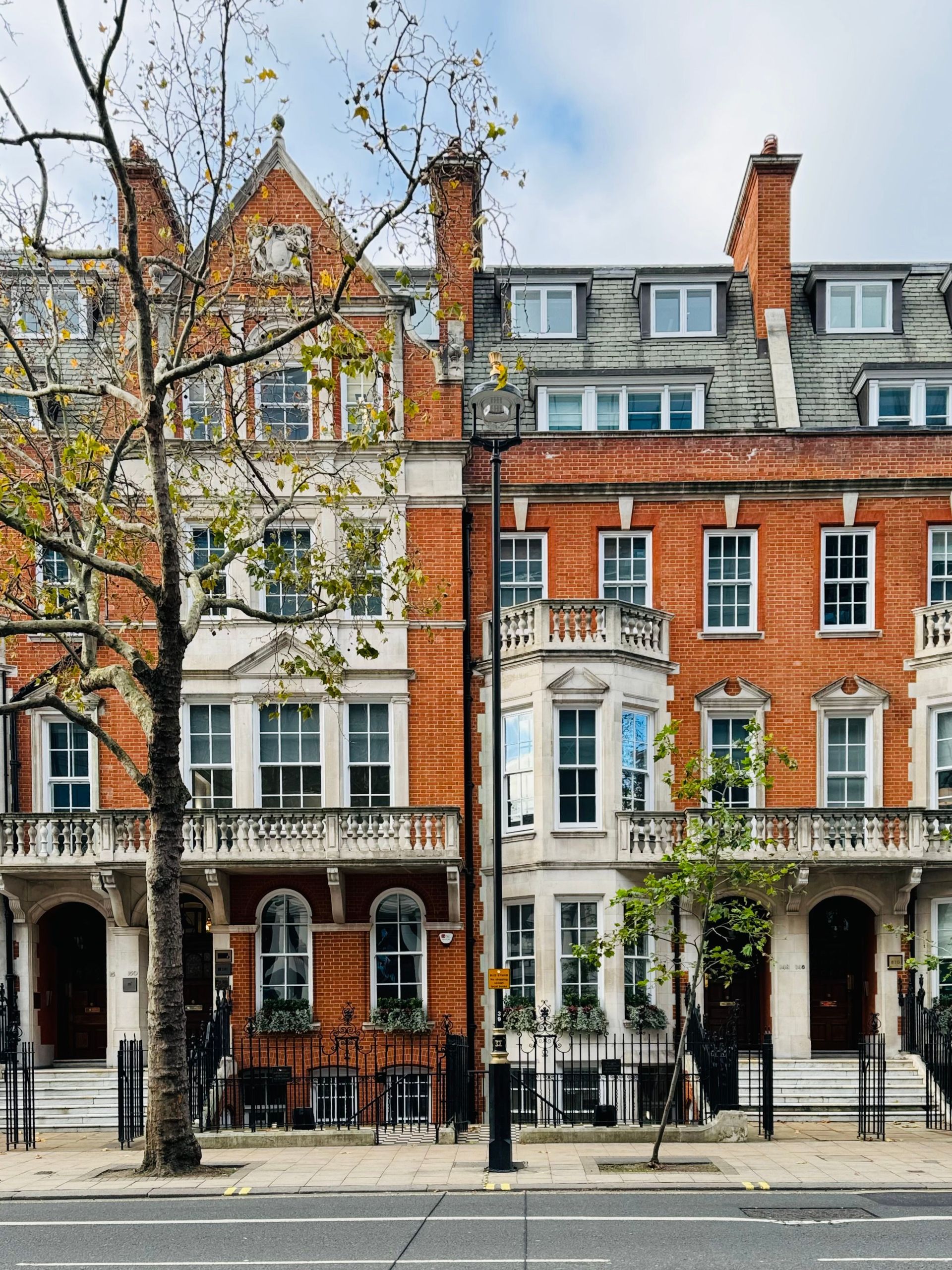
Few parts of London have such a range of roofs in one place. The old East End terraces sit next to warehouses turned into flats, which sit next to glass-and-steel new builds around Stratford and the Docklands. Each was built in a different era for a different purpose.
That mix means there is no single answer to keeping an East London roof clean. A converted warehouse with a flat roof has completely different needs from a Victorian terrace up the road. Knowing which you have is the first step to looking after it.
2. Warehouse conversions and their flat roofs
East London's warehouse conversions are part of what gives the area its character. Old industrial buildings in Hackney Wick, Bow, and along the canals, turned into flats with big windows and open spaces. Many keep their original flat or shallow-pitch roofs.
A flat roof is not truly flat. It has a slight fall built in to move water toward outlets and downpipes. That gentle slope works well when everything is clear, but it leaves nowhere for debris to wash away on its own. Whatever lands on a flat roof tends to stay there until someone removes it.
3. Why flat roofs collect moss, algae and debris
Because water drains slowly off a flat roof, the surface stays damp longer, and damp is what moss and algae need. Add leaves, grit, and windblown dirt that settle and do not wash off, and you get a surface that grows green and holds moisture.
On a warehouse conversion surrounded by other buildings and trees, debris builds up fast. The moss and algae spread across the covering, and the debris packs around the outlets. Neither clears itself the way it might slide off a steep pitched roof, so a flat roof needs a hand.
4. Blocked outlets and standing water
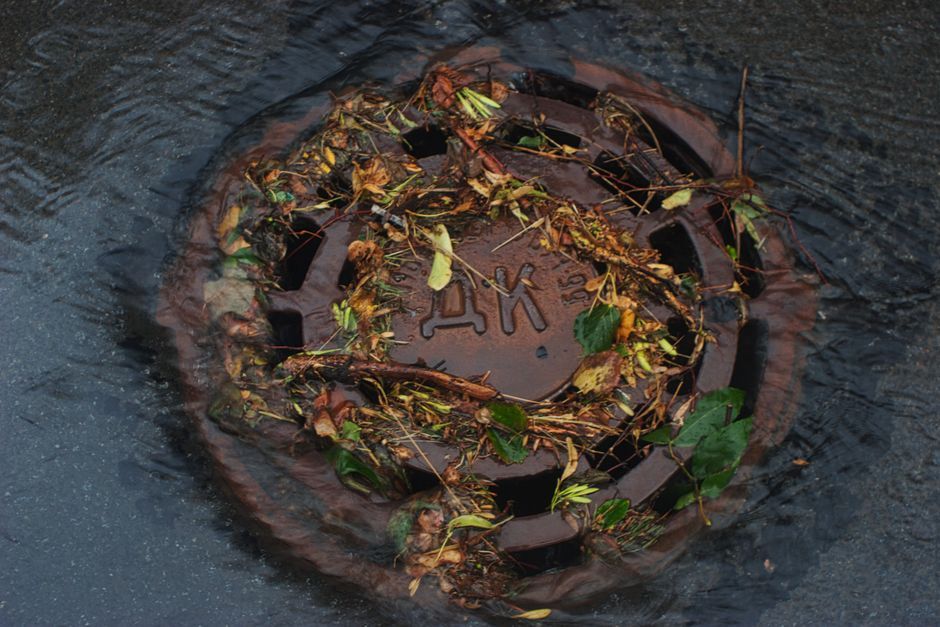
The real enemy of a flat roof is standing water, and the usual cause is a blocked outlet. When leaves and moss clog the drainage point, water has nowhere to go and sits in pools on the surface.
Standing water is bad news. It adds weight, it speeds up wear on the roof covering, and it finds any small weakness and works its way in. A flat roof that ponds after every shower is a flat roof heading for a leak. Keeping the outlets clear is the single most important thing you can do for it.
5. Cleaning a flat or low-pitch roof safely
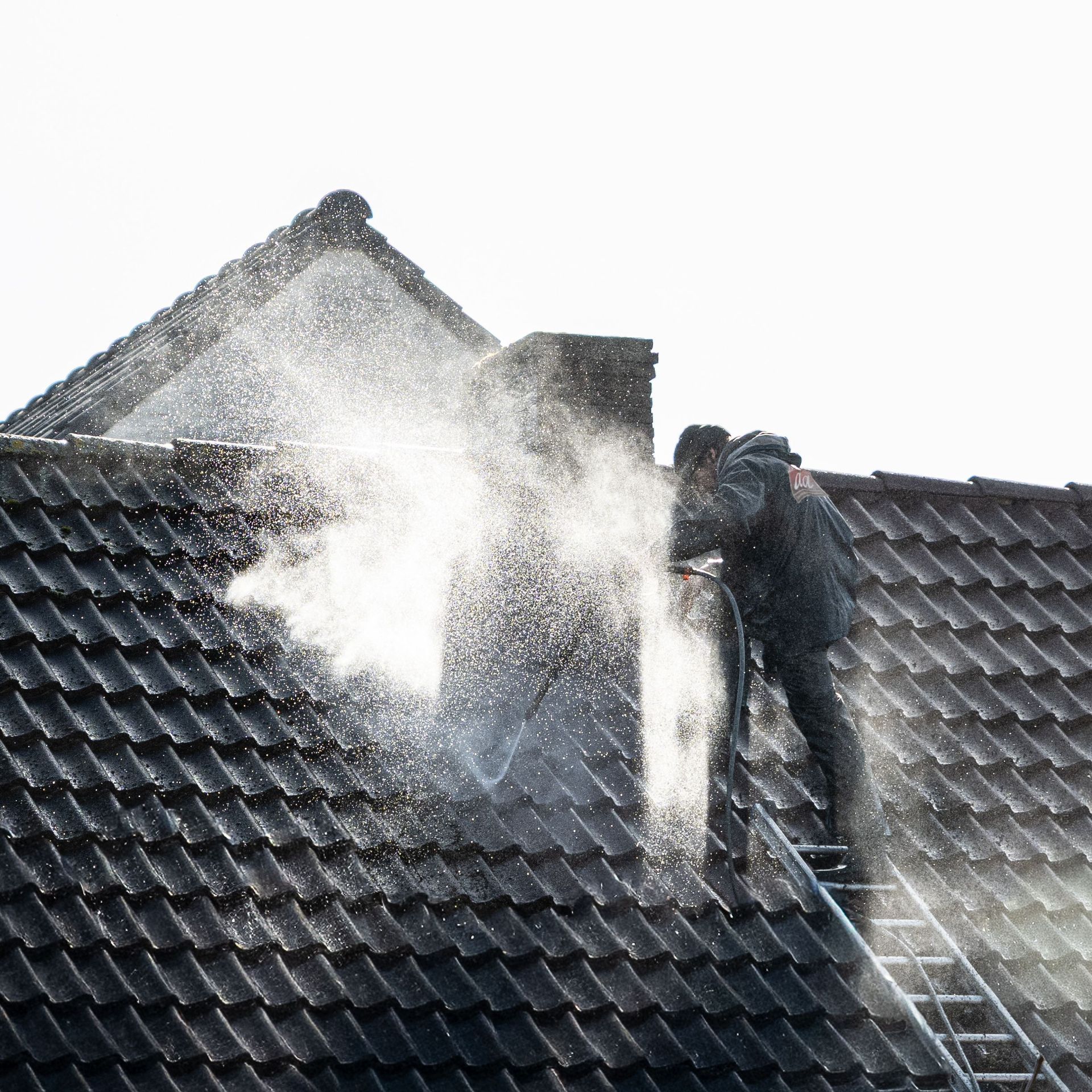
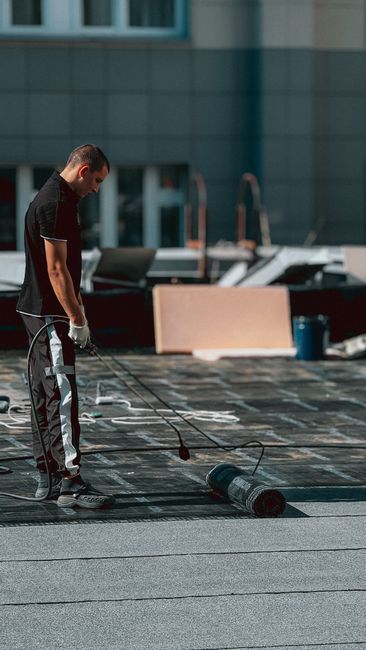
Flat roofs need gentle treatment. The covering, whether felt, membrane, or another material, can be damaged by a high-pressure jet, which tears at seams and forces water under the surface. Soft washing clears the moss and algae without that risk.
The job is really two parts. Clear the debris and growth off the surface, and clear the outlets and gutters so water drains freely again. Done together, that keeps the roof draining as it should and stops the standing water that causes most flat-roof failures. It is straightforward maintenance, and it saves a lot of trouble.
6. Do not forget the pitched roofs next door
Plenty of East London homes are a mix, with a pitched main roof and a flat roof over a rear extension or dormer. Both need looking at, and they behave differently.
The pitched section grows moss on its shaded slopes and needs a soft wash like any tiled roof. The flat section needs its surface and outlets cleared. On a house with both, a proper clean covers the lot, so nothing gets missed and water keeps moving off the whole roof.
What a flat roof needs watching for:
- Standing water or pools after rain: a sign the outlets are blocked or the fall is compromised.
- Moss and algae spreading across the surface: the covering is staying damp too long.
- Debris packed around the drainage outlet: leaves and grit stopping water draining.
- Silt or grit build-up in the corners: windblown dirt that never washes off a flat roof.
- Damp showing on the ceiling below: water may already be finding a way in.
Frequently Asked Questions
Do flat roofs really need cleaning as much as pitched ones?
Often more. Water drains slowly off a flat roof, so debris and moss stay put and block the outlets. Regular clearing prevents the standing water that causes most flat-roof leaks.
Can you pressure wash a flat roof?
You should not. A high-pressure jet damages the covering, tears at seams, and forces water underneath. Gentle soft washing clears the moss and algae without harming the surface.
Why does water pool on my flat roof after it rains?
Usually a blocked outlet. Leaves and moss clog the drainage point and water has nowhere to go. Clearing the outlet lets it drain again and stops the ponding.
My home has both a pitched and a flat roof. Do both need doing?
Yes, and they need different treatment. The pitched part gets a soft wash for moss, the flat part gets its surface and outlets cleared. A proper clean covers both.
How often should a flat roof be cleared?
At least once a year, more if it sits under trees or collects a lot of windblown debris. Keeping the outlets clear is the priority, since that is what prevents standing water.
Got a flat roof or warehouse conversion to look after?
Ben's Roof Cleaning clears and maintains flat and pitched roofs across East London, with over 15 years of experience. Get in touch or call 020 8049 9609
for a free, no-obligation quote.
Keeping East London's varied roofs sound
The roofs of East London are as mixed as the area itself, and the flat ones need a different kind of care from the pitched. Clear the surface, keep the outlets draining, and never let water sit, and a flat roof does its job quietly for years. Whether you are in a canal-side conversion or a terrace with a flat-roofed extension, the same simple upkeep keeps the water out.